Azeris in Iran: Integration, Identity, and Strong Presence
Azeris in Iran: Integration, Identity, and Strong Presence
In the last couple of years, international attention surrounding Iran has often focused on its strained relationship with the West, the nuclear program and the regional swings shaped by its proxies. However, one of the country’s most significant internal dynamics receives far less attention: the millions of ethnic Azeris living inside Iran.
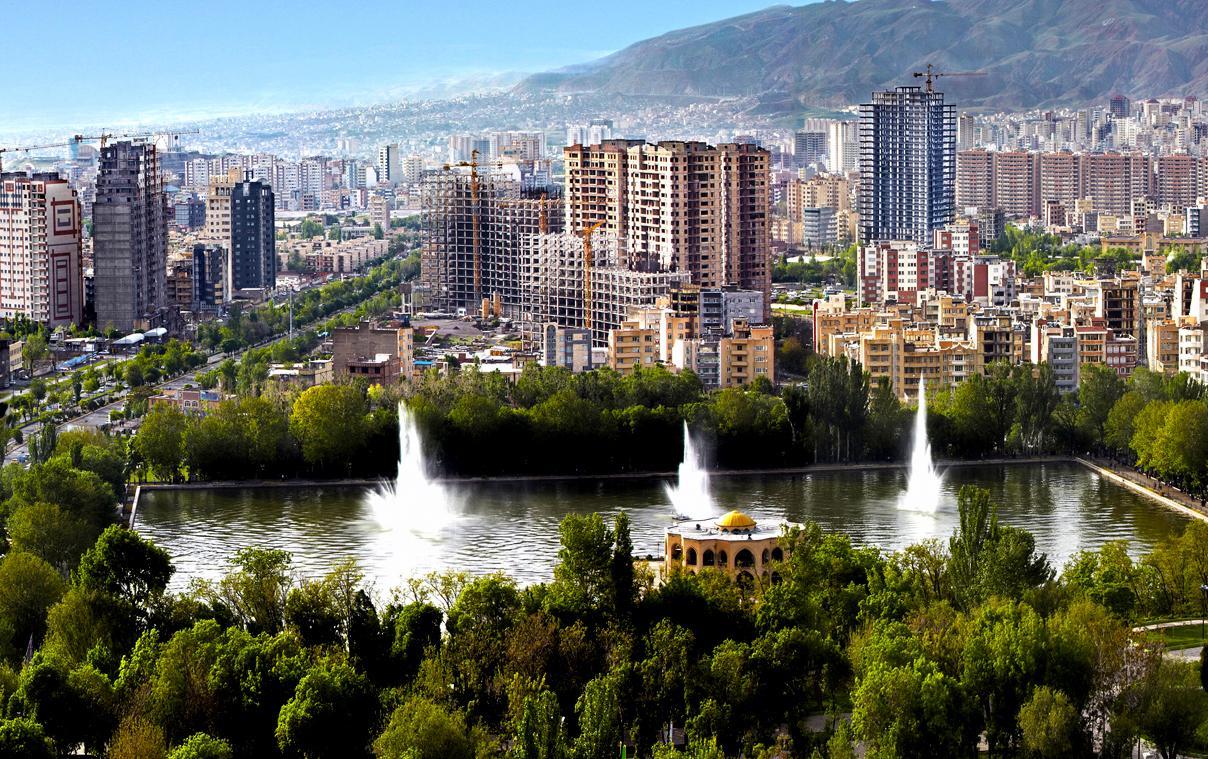
Iranian Azeris constitute the largest non-Persian ethnic community in the country, their numbers are estimated between 15 and 30 million people. Concentrated mainly in northwestern Iran – particularly in the provinces of East Azerbaijan, West Azerbaijan, Ardabil and Zanjan – they have historically played a central role in Iran’s political, economic and religious life. Unlike some other ethnic minorities in Iran, Azeris have long been deeply integrated into the structures of the Iranian state. But despite this integration, identity, cultural affiliation and rights, language use, and the security of the region are becoming increasingly important issues.
The roots of the Azerbaijani presence in Iran stretch back centuries. Historically, the territories of today’s Azerbaijan and northwestern Iran were part of the wider Persian Empire. It was only after the Russian-Persian wars of the early nineteenth century and the Treaties of Gulistan (1813) and Turkmenchay (1828) – which formalized Persia’s territorial losses in the Caucasus to the Russian Empire and divided the Azerbaijani population along the Aras River.
So we must mention that this historical background is essential for understanding why the “Azeri question” in Iran differs fundamentally from many other ethnic issues, or even conflicts in the Middle East. Iranian Azeris are neither isolated, nor marginalized, and we must distinguish this from the situation of the Kurds, for example. Moreover, they have long been embedded in the political structure and are part of the country's political elite. This is also different from what we experience with other ethnic groups in the region - just think of the Hazaras in Afghanistan, who had every right to participate given in the Constitution, but in reality this was never perceived. The Khamenei family, which has now produced two generations of Supreme Leader itself, has Azerbaijani roots, while many senior clerics, Revolutionary Guard figures, businessmen and politicians also originate from Azeri-speaking regions. For decades, this level of integration contributed to relative stability. Many Iranian Azeris strongly identify with the Iranian state while simultaneously preserving their linguistic and cultural characteristics. However, this balance has gradually become more complicated in recent years.
One of the reasons behind this is language usage. Persian remains the dominant language of both education and administration, while Azerbaijani Turkish has historically had limited institutional presence in public education. Although the Iranian constitution formally allows the use of other languages instead of Persian in media and cultural activities, many activists argue that implementation remains inconsistent. Environmental and socioeconomic problems have further strengthened frustrations in recent years. The ecological disaster of Lake Urmia – once one of the Middle East’s largest saltwater lakes – became a political symbol of long governmental neglect in many Azeris’ eyes. As water levels decreased and collapsed, protests occasionally emerged accusing Tehran of failing to properly handle the crisis. While the environmental disaster has affected multiple communities, it has also taken on a political and identity-related dimension in the regions of Azerbaijan.
At the same time, developments beyond Iran’s borders have significantly influenced Azerbaijani identity politics inside the country. First, the 2020 Nagorno-Karabakh war marked a major turning point. Azerbaijan’s military victory over Armenia provoked strong emotional reactions among many Iranian Azeris, especially as large demonstrations broke out in several Iranian cities – including Tabriz and Ardabil - expressing solidarity with Baku. For Tehran, this war created a highly sensitive political dilemma. Iran officially attempted to maintain a balanced position during the conflict, yet many Iranian Azeris sensed the government as being insufficiently supportive of Azerbaijan. The situation became even more complicated due to the rapidly strengthening strategic partnership between Azerbaijan and Israel – a development which Tehran viewed with deep suspicion.
Tehran increasingly perceives the rise of Azerbaijani nationalism, coupled with external geopolitical dynamics, as a potential challenge to Iran’s internal cohesion. This concern explains why Tehran closely monitors Azerbaijani activism, particularly movements associated with the concept of “South Azerbaijan.” However, the situation is far more complex than what a simple separatist remains far more nuanced than simplistic separatist narratives often suggest. Unlike some other ethnic movements in the region, the majority of Iranian Azeris do not appear to support secession from Iran. Many remain strongly attached to the Iranian state and see themselves as both Azerbaijani and Iranian simultaneously. Rather than independence, demands more commonly focus on cultural recognition, linguistic rights, decentralization and greater regional visibility.
This duality creates a strategic challenge for Tehran. Iranian Azeris are too integrated into the political system to be treated as a conventional separatist movement, yet they are also too significant demographically, economically and geopolitically to ignore. As regional tensions continue to reshape the Middle East and the South Caucasus, identity politics among Iranian Azeris may increasingly intersect with broader geopolitical rivalries involving Iran, Azerbaijan, Turkey and Israel.
So, it’s not a question that Iranian Azeris belong to Iran’s political and social fabric. However, in the longer run, it remains a question whether the Islamic Republic can continue relying primarily on historical integration while demands for cultural recognition and regional identity steadily intensify. In an era of geopolitical fragmentation and regional competition, Iran’s Azeri population may become not merely a domestic issue, but one of the most strategically important internal dynamics shaping the country’s future.
Author: Blanka Benkő-Kovács, advisor - LCTS, LUPS
Image source: Wikimedia Commons