China’s Green Push in Central Asia
China’s Green Push in Central Asia
China has long been criticised for not being green enough. Not pursuing the global climate goals, while continuously emitting more and more GHG. For years, much of the international debate – especially in the West – framed China primarily as the world's largest polluter, often overlooking the country's distinct development priorities and its own evolving approach to the green transition. Because a lot has changed since President Xi Jinping first mentioned his “clear waters and green mountains” endeavor. The concept has since grown into a foundational doctrine guiding China's green transition and sustainable development initiatives, which now the country successfully exports to outbalance any major competitors in terms of the green transition. This article provides a broad overview of China's green ambitions in Central Asia.
We have heard enough about the Belt and Road Initiative in recent years to know that it is China’s ambitious economic investment project and a global infrastructure strategy, but we rarely talk about how much more it is in the case of Central Asia. The region remains central in Beijing’s ambitions, but now it also serves as a testing ground for its “environmental” attempts. It is basically China's western gateway to Europe, a crucial supplier of energy and raw materials, and an increasingly important laboratory for exporting Chinese green technologies and development models. Rather than simply financing infrastructure, China is now helping shape how the region approaches energy security, industrial modernisation and climate adaptation.
This shift reflects changing realities on both sides. Central Asian governments face mounting environmental pressures. Water scarcity, desertification and rising temperatures increasingly threaten agriculture, food security and economic growth. At the same time, their economies remain heavily dependent on fossil fuels and energy-intensive industries. Balancing economic development with environmental sustainability has therefore become a necessity. China has recognised this opportunity. Instead of presenting climate cooperation as an end in itself, Beijing frames green development as an engine of economic growth. Renewable energy projects, electric vehicle supply chains, battery production, smart grids and digital energy management are promoted not only as climate solutions but also as drivers of industrial upgrading and long-term competitiveness. This narrative often resonates with Central Asian governments, which prioritise economic development over emissions targets alone.
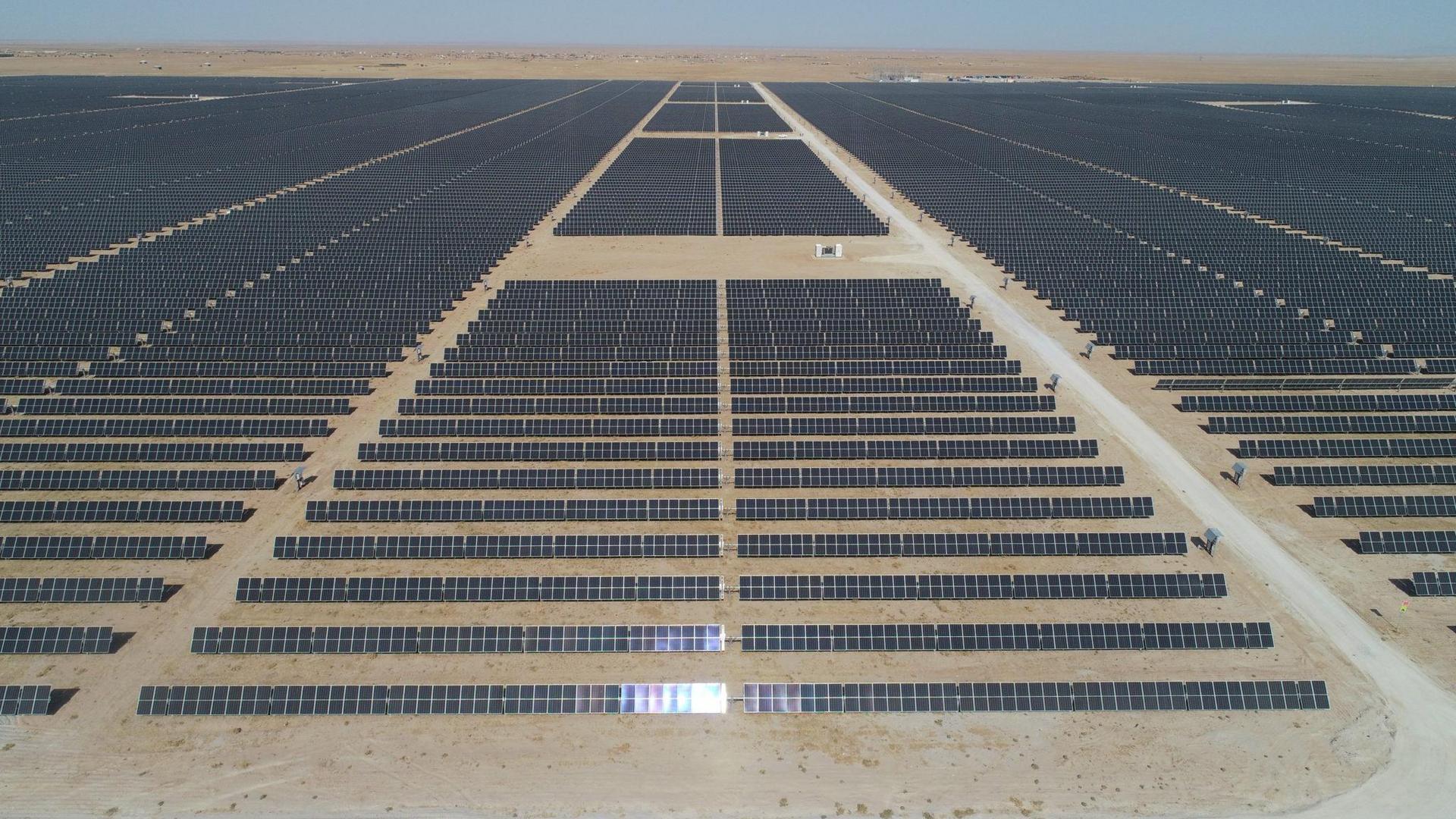
The numbers illustrate the trend. Chinese companies have become among the largest investors in renewable energy across the region. In Kazakhstan, they are financing large-scale wind and solar parks while expanding cooperation on critical raw materials essential for clean technologies. Uzbekistan has attracted significant Chinese investment in photovoltaic manufacturing and renewable power generation, complementing its ambitious energy reform agenda. Even resource-rich Turkmenistan, traditionally associated with natural gas exports, has begun exploring renewable projects and energy-efficiency cooperation with Chinese partners.
But we must highlight that China's green engagement is not really about decarbonisation. Central Asia possesses plenty of reserves of uranium, rare earth elements, copper and other critical minerals indispensable for batteries, electric vehicles and renewable energy technologies. As global competition over these resources intensifies, Beijing seeks not only access to raw materials but also opportunities to develop local processing industries and integrate regional production into Chinese-led value chains. This creates a relationship built on mutual interests. Central Asian governments receive investment, technology transfer and infrastructure without the political conditionality often associated with Western development finance. China, in return, strengthens its economic influence, diversifies supply chains and reinforces the resilience of its own green industries. Climate cooperation thus becomes another instrument of strategic statecraft rather than a purely environmental undertaking.
This does not mean China's green expansion is without challenges. Critics point to concerns over debt sustainability, transparency and environmental standards in some Belt and Road projects. Others question whether renewable investments will genuinely replace fossil fuel dependence or simply coexist alongside continued hydrocarbon development. Moreover, many Chinese financial institutions continue to support conventional energy projects abroad, illustrating that Beijing's green diplomacy remains pragmatic rather than ideological. Nevertheless, dismissing China's environmental engagement as mere greenwashing would overlook a significant transformation. Beijing is no longer simply exporting infrastructure; it is exporting standards, technologies and a particular vision of sustainable development. Central Asia demonstrates that the global green transition is becoming increasingly multipolar. While Europe often approaches sustainability through regulation and governance, China offers investment, technology and industrial capacity. Ultimately, China's green push in Central Asia tells us less about climate policy alone than about the changing nature of global power. The race to lead the green transition is no longer about reducing emissions, it is about shaping markets, controlling supply chains and defining the rules of tomorrow's low-carbon economy.
Author: Blanka Benkő-Kovács, advisor - LCTS, LUPS
Image source: pv-magazine.com / Total Eren