Diversifications Without Illusions - What Can Europe Expect From Kazakhstan on Energy
Diversifications Without Illusions - What Can Europe Expect From Kazakhstan on Energy
Kazakhstan is a very important player in terms of resources, hence in the global energy architecture. The country is a significant producer of crude oil and natural gas, coal, and is a relatively important energy exporter. While Kazakhstan’s energy mix still largely depends on fossils, strengthening the availability of renewable sources is an important policy objective. This article examines why Kazakhstan can play an important role in European energy aspirations.
The significance of Kazakhstan
Kazakhstan lies in a strategically important place at the crossroads of Europe and Asia, making it not only a major energy producer, but also a key geopolitical actor in Eurasian connectivity endeavors. The country possesses vast hydrocarbon reserves and ranks among the world’s leading producers of uranium, while also holding considerable sources of critical raw materials increasingly essential for the global green transition. Its energy sector has long been shaped by export-oriented oil and gas production, and for long, the European Union has been one of its most important economic and energy partners.
At the same time, Kazakhstan’s importance extends beyond the volume of its resources. In recent years, the country has sought to position itself as a reliable and pragmatic partner amid growing geopolitical fragmentation, supply chain disruptions, and growing concerns over energy security. This has become particularly important for Europe after the outbreak of the Russia-Ukraine war, which fastened the efforts to diversify energy imports and reduce strategic vulnerabilities. In this context, Kazakhstan emerged as a potentially important alternative supplier, especially in oil markets.
However, diversification efforts involving Kazakhstan also face structural limitations. The country’s export infrastructure remains heavily dependent on transit routes linked to Russia, while regional geopolitical competition, infrastructure bottlenecks, and fluctuating global demand continue to shape its room for maneuver. As a result, Kazakhstan represents both an opportunity and a constraint in Europe’s broader diversification strategy – offering substantial resource potential, yet not without political, logistical, and strategic complications.
Key resources
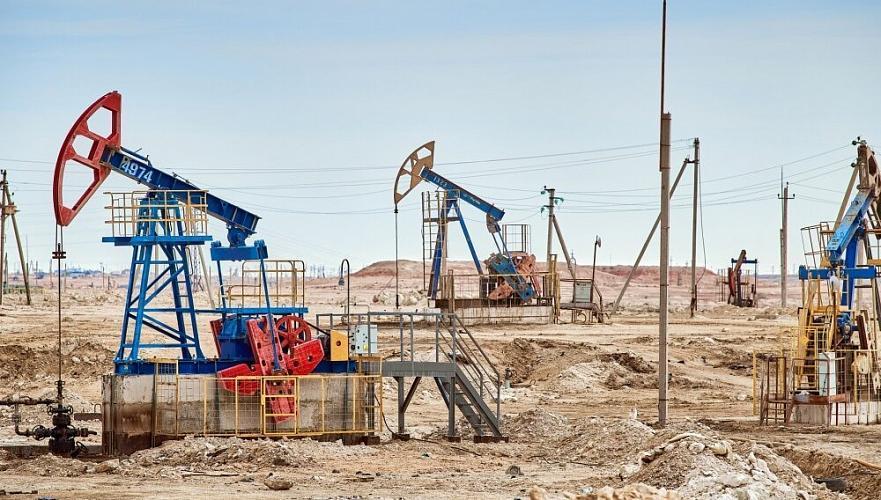
Considering the Central Asian states, Kazakhstan remains the region’s largest energy producer and exporter. The country possesses approximately 30 billion barrels of proven oil reserves and more than 2 trillion cubic meters of natural gas reserves, placing it among the most resource-rich states in Eurasia. It also produces around 90 million tons of oil annually, while production levels exceeded 2 million barrels per day in 2025 – driven by the expansion of the Tengiz oil field.
Coal also remains dominant in Kazakhstan’s domestic energy mix, since coal-fired power plants still generate roughly two third of the country’s electricity. Although renewable energy capacity has increased gradually in recent years, the country’s energy mix remains heavily dependent on fossil fuels.
Kazakhstan is also the world’s largest uranium producer, accounting for more than 40 percent of global uranium output in recent years. This gives the country a particularly important role in global nuclear energy supply chains at a time when several countries, including in Europe, are reconsidering the role of nuclear power in long-term energy security and decarbonization strategies. The European Union remains Kazakhstan’s largest trading and investment partner. In recent years, Kazakhstan has become one of the EU’s most important non-OPEC oil suppliers, accounting for more than 10 percent of the EU’s crude oil imports. This underlines the country’s growing strategic relevance in Europe’s diversification efforts following the outbreak of the Russia-Ukraine war.
Strategic leverage
Karim Massimov, Kazakhstan’s former Prime Minister in the early 2010s referred to energy cooperation as the “core of relations” between Central Asia’s largest economy and the EU. Indeed, both sides have shown strong interest in this area. In the last couple of years, Kazakhstan has been strengthening its position in Europe as a strategic partner in energy, both regarding the fossil exports and the green transition. Brussels sees Kazakhstan not only as a reliable energy partner, but also as an increasingly important source of critical raw materials for the European economy. From a Kazakh perspective, access to Europe’s reliable markets have also been utmost important.
The partnership was initially built primarily on oil and uranium exports, as Kazakhstan emerged as one of the EU’s key non-Russian energy suppliers, while the European market became one of the main destinations for Kazakh energy exports. Cooperation deepened particularly in the oil sector, where major European companies such as Shell and Eni became involved in the development of Kazakhstan’s largest oil fields. At the same time, the relationship has faced several challenges. These included Kazakhstan’s growing state control over strategic energy assets, concerns related to “resource nationalism”, and the country’s strong dependence on Russian export routes, which complicated the EU’s diversification ambitions. Following the outbreak of the Russia-Ukraine war, EU-Kazakhstan energy cooperation gained renewed momentum. For Brussels, Kazakhstan has become increasingly important not only as an alternative supplier, but also as a key actor in the development of the Trans-Caspian transport corridor, or the so-called Middle Corridor. In recent years, the partnership has expanded beyond traditional hydrocarbons to renewable energy, green hydrogen and critical minerals, reflecting the EU's broader energy security and green transition objectives.
This is embodied in various initiatives, partnership programmes, and strategic agreements. Some of the most important examples include the Enhanced Partnership and Cooperation Agreement (EPCA), which entered fully into force in 2020 and established a broader framework for cooperation in areas such as energy, transport, climate policy, and investment. Another key milestone was the EU-Kazakhstan Memorandum of Understanding on Strategic Partnerships in Sustainable Raw Materials, Batteries and Renewable Hydrogen, signed in 2022, which further deepened cooperation in critical raw materials, renewable energy, and green transition technologies. Beyond these agreements, Kazakhstan has also become an increasingly important partner within the framework of the EU’s Global Gateway strategy and the development of the Trans-Caspian Transport Route, and other connectivity initiatives and bilateral dialogues. So, however the future is unpredictable, we can confidently state that in the upcoming years, Kazakhstan can remain a key partner for Europe as several major energy, infrastructure, and connectivity projects lie ahead.
Author: Blanka Benkő-Kovács, advisor - LCTS, LUPS
Image source: kaztag.kz