Third renaissance of Uzbekistan – Marking the 10th year of Mirziyoyev in Office
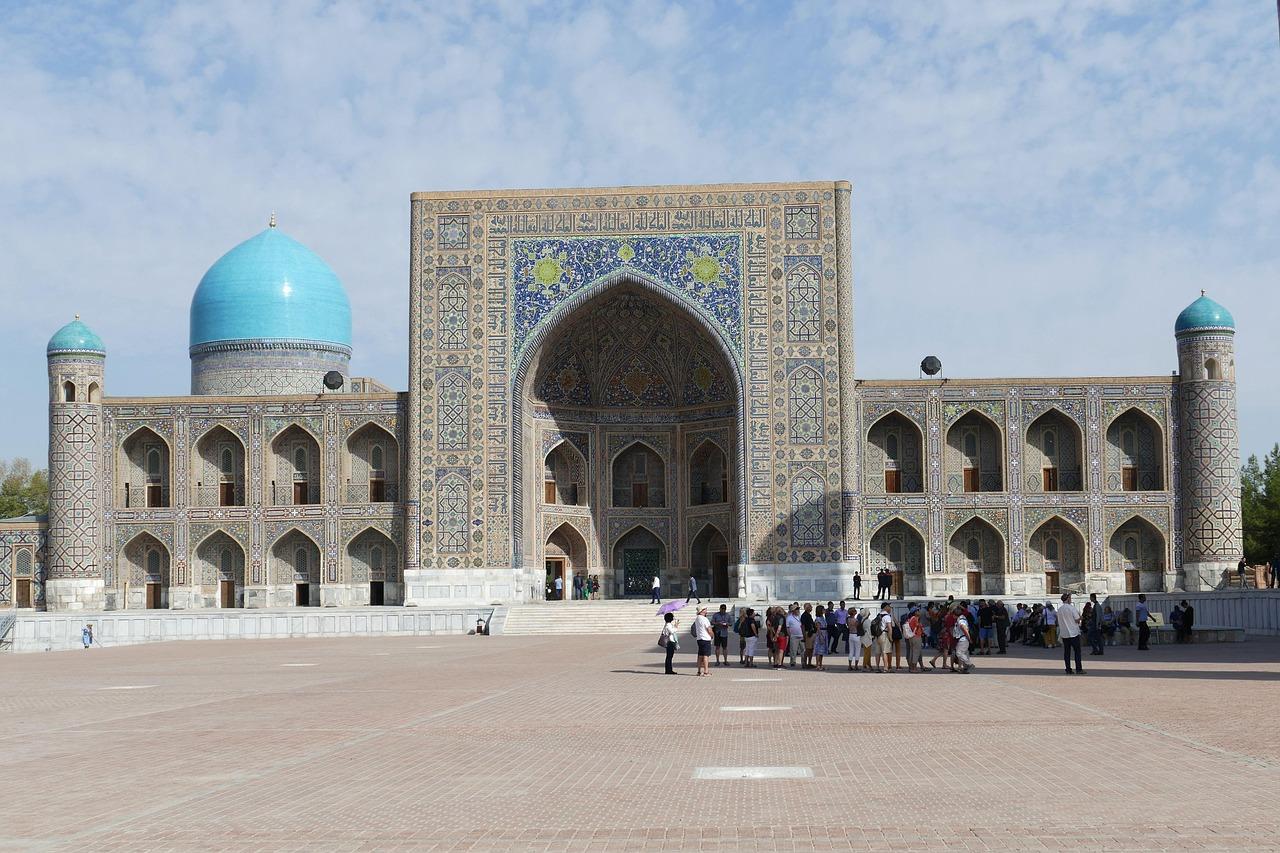
Third renaissance of Uzbekistan – Marking the 10th year of Mirziyoyev in Office
In the last couple of years, the concept of the “Three Renaissances of Uzbekistan” gained relevance, being popularized by President Shavkat Mirziyoyev. This concept defines the nation’s historical, religious, and scientific achievements, as well as the prospects for the country’s renewal. The concept spans the Islamic Golden Age, the Timurid era, and the current New Uzbekistan development and reform path initiated by Mirziyoyev. This in itself demonstrates the extent to which the current president has become an epoch-making political figure in his country. Below is a brief overview of the key political decisions of the past decade, taking stock of the first ten years of the Shavkat Mirziyoyev era, which “have put Uzbekistan on the map” and positioned it as a dynamic, cooperative, and forward-looking country.
What’s on the spot
After Uzbekistan became independent in 1991, the protracted process of nation-building began during Islam Karimov’s 25-year tenure. It’s no exaggeration to state that since taking office in 2016, President Shavkat Mirziyoyev has reshaped Uzbekistan’s political landscape through major reforms, including the adoption of a new constitution, economic liberalization, ending forced labor, improving regional relations, and modernizing public administration. Key steps have included currency liberalization, easing restrictions on NGOs, investing more in education and healthcare, and advancing digitalization and anti-corruption efforts.
A key milestone in the country’s transformation was the constitutional reform in May 2023, following a referendum backed by 90% of voters. The revised constitution significantly expands the state’s social obligations – strengthening guarantees related to social protection, education, healthcare, and environmental responsibility – while also emphasizing the role of the state as a “servant of society.” At the same time, however, according to the Organization for Security and Co-operation in Europe, however the document was technically well-prepared, the process lacked genuine political pluralism. Most notably, the revision cancelled presidential term limits, allowing Shavkat Mirziyoyev to remain in power – “underscoring the dual nature of Uzbekistan’s transformation as one of controlled liberalization without full democratization”.
Last December, the President addressed the Oliy Majlis (the Uzbek parliament) and the people of Uzbekistan, offering a comprehensive overview of the country’s reform trajectory and outlining the priorities that will shape the next phase of development. Over the past decade, Uzbekistan has undergone a notable transformation: market mechanisms have been expanded, social protection systems strengthened, and the foundations of a more rules-based governance model gradually introduced. According to the official figures, GDP has exceeded $145 billion, exports have increased by 23%, while foreign investment inflows have reached $43.1 billion, accounting for 31.9% of GDP. At the same time, unemployment has declined, and poverty has been significantly reduced, falling from 8.9% to 5.8% within a single year. Relevant authorities also reported that over 8.5 million people have been lifted out of poverty since the launch of the large-scale social reforms. These are significant achievements in a country experiencing a demographic boom. These economic shifts have been accompanied by improvements in social indicators. According to UNDP, since 2000 the country’s Human Development Index (HDI) value has increased by 22.7 percent. Uzbekistan is placed in the high human development category and ranking 107 out of 193 countries and territories, marking an improvement of five places since 2016. In Central Asia, one of the most pressing challenges is water – both in terms of scarcity and access to safe drinking water. Although much remains to be done, in Uzbekistan, this has also expanded significantly, with 715,000 people gaining access for the first time in 2025 and services improved for an additional 2.3 million citizens.
Economic and labor market policies are technology-driven. The development in these fields is skyrocketing. In 2026 alone, 782 industrial and infrastructure projects worth $52 billion are expected to be launched, including 228 large-scale facilities valued at $14 billion. The government is also prioritizing artificial intelligence and digital infrastructure, including the establishment of four data centers, two supercomputers, and AI laboratories in 15 universities, enabling over 100 AI-driven projects across key sectors. In these aspirations, Uzbekistan also has outstanding global partners, e.g. India. Labor market reform represents another key pillar. With global trends indicating that 30% of existing jobs may be automated and 50% requiring new skills, Uzbekistan aims to modernize vocational education by upgrading technical colleges and aligning training systems with international standards.
Environmental sustainability is also gaining prominence. Trillions of soums have been allocated to environmental protection, alongside water-saving technologies. Major infrastructure projects include the concreting of 1,300 km of canals, saving up to 500 million cubic meters of water annually, as well as large-scale afforestation efforts, including 250,000 hectares of new green areas, particularly in regions affected by the desiccation of the Aral Sea. Another key element of climate action is the development of climate-resilient crops, supported by cooperation with multiple countries, including Hungary.
Equally important is the evolving international positioning of Uzbekistan. The country has increasingly presented itself as a place for regional and global dialogue, hosting major international events and deepening its engagement with key partners. During the war in Afghanistan, it was a reliable partner for the West, and it also contributed to its current position. The conclusion of an Enhanced Partnership and Cooperation Agreement (EPCA) with the European Union, alongside expanding cooperation formats such as Central Asia–EU, Central Asia–U.S., and Central Asia–Japan, reflects a deliberate effort to pursue a balanced, multi-vector foreign policy. Breaking away from its historical roots, it is now a reliable partner not only for Russia and China, but also – not exclusively – for America, Türkiye, Europe, the Gulf countries. At the regional level, historic agreements on border delimitation (e.g. with Kazakhstan) and the proposal to institutionalize Central Asian cooperation frameworks signal a growing emphasis on connectivity and stability. We can easily state that Uzbekistan lies at the heart of another great game for Central Asia.
Road ahead
Yet, despite these advances, structural challenges persist. The centralization of political power, the limited role of political pluralism raises questions about the depth and sustainability of institutional reform. While the direction of change is clear and measurable in economic and social terms, the long-term success of Uzbekistan’s transformation will depend on the gradual strengthening of accountable institutions.
Author: Blanka Benkő-Kovács, advisor - LCTS, LUPS
Image source: Pixabay